
“This 5-month gap (no seizures) has been the longest stretch for the last two years”

Great update from a client I received this morning!
Can the food we feed our dogs reduce, and in best case scenarios eliminate epileptic seizures? YES. We’ve seen it time and time again in the Ketogenic Dog Group with these dogs that are placed on a properly formulated Raw keto diet. We see it all the time in humans as well. You may have heard me mention in the past about a good friend on mine’s daughter who suffers from Glut-1 deficiency. The ketogenic diet is the ONLY thing that helps her manage her seizures as there is no standard of care, there are no medications to help glut-1 disorders. Keto is the only method for glut-1
But the unfortunate truth is that the VAST majority of pet owners in the world who may have a dog suffering from seizures probably have no idea that a ketogenic diet is even an option to help their dogs. Why is it that a diet that has been around for over 100 years and was originally used specifically for managing seizures, isn’t the very first thing that modern day veterinarians are advising these dogs to be put on? this is a rhetorical question of course. many of us know why. But This little blog update isn’t meant to delve down that rabbit hole of a topic.
So instead, these poor dogs suffering from seizures are left to the standard of care in an effort to manage the seizures. most of which either leave the dog in a “zombie like state”, carry a laundry list of side effects, or in many cases the dogs don’t even respond to the medications.
And don’t get me wrong, if you’re reading this and you have a dog suffering from seizures and prescription medications have helped your dog, that’s wonderful of course. But wouldn’t a natural alternative to mitigate the issue be great? While also bringing the added benefits of feeding a fresh, Raw, species appropriate diet?!
We are their advocates and voices, we are the very small percentage of pet owners who are aware that this is an option for these dogs and as the years go by it has been good to see the word getting out with more and more pet owners-and even some veterinarians– joining the ketogenic dog group, but it’s extremely disheartening to me to know that there are SO many dog owners and dogs out there who are not privy to this information.
Gayle had signed up for the Ketogenic Meal Plan program in an effort to help her dog Tucker who was suffering from seizures, Tucker had experienced 3 seizures in less than 3 days when Gayle started to research the effects of low carb, high fat diets to manage these seizures and that ultimately led her to finding the ketogenic dog group. She’s stuck with the program through the trials and tribulations of finding what works best for her dog, we’ve had to fine tune Tuckers keto diet along the way and Results weren’t instant for Tucker, we saw some very promising improvements in the very beginning, followed by a few setbacks of recurring episodes.
But in Tuckers case, as with the case of countless other dogs we’ve seen throughout the years in the ketogenic dog group, The diet eventually took hold and we are now starting to see the benefits of many months (5 and counting so far!) of zero seizures. And all of this was simply done with food. no magic snake oil, no prescription drugs with nasty unwanted side effects.
Food.
Changing what the dog was eating, changing the Macronutrient proportions of the dogs diet.
And a person who may be dealing with a dog suffering from epilepsy should not get discouraged if perhaps they tried an off the shelf “keto” dog food and they didn’t see any changes. The thing is you will not be able to purchase therapeutic levels of the ketogenic diets premade. This is where it’s crucial to understand the differences in the variations of the ketogenic RATIOS of these diets. The ketogenic ratio is the relation of the ratio of fat: protein +net carb. A typical raw diet for example, may only have a ratio of .3-.5:1 , Thats .3 -.5 grams of fat for every 1 gram of protein + Net carb. And in the cases of epilepsy, we typically wind up needing a ratio of 2:1 or higher. So, attempting to feed a .3 – .5:1 ratio diet will have little to no effect on a dog suffering from seizures. And we also have to remember that it’s extremely important to be testing glucose and ketone levels to ensure that the dog is actually in ketosis. Just because someone is feeding a ketogenic diet to their dog doesn’t automatically guarantee the dog is in ketosis and without being in ketosis, we can’t expect any of this this to work. The only way to validate this is through testing the blood glucose and ketone levels. This is an easy painless process for the dogs with very inexpensive ($30) human branded glucose monitors.
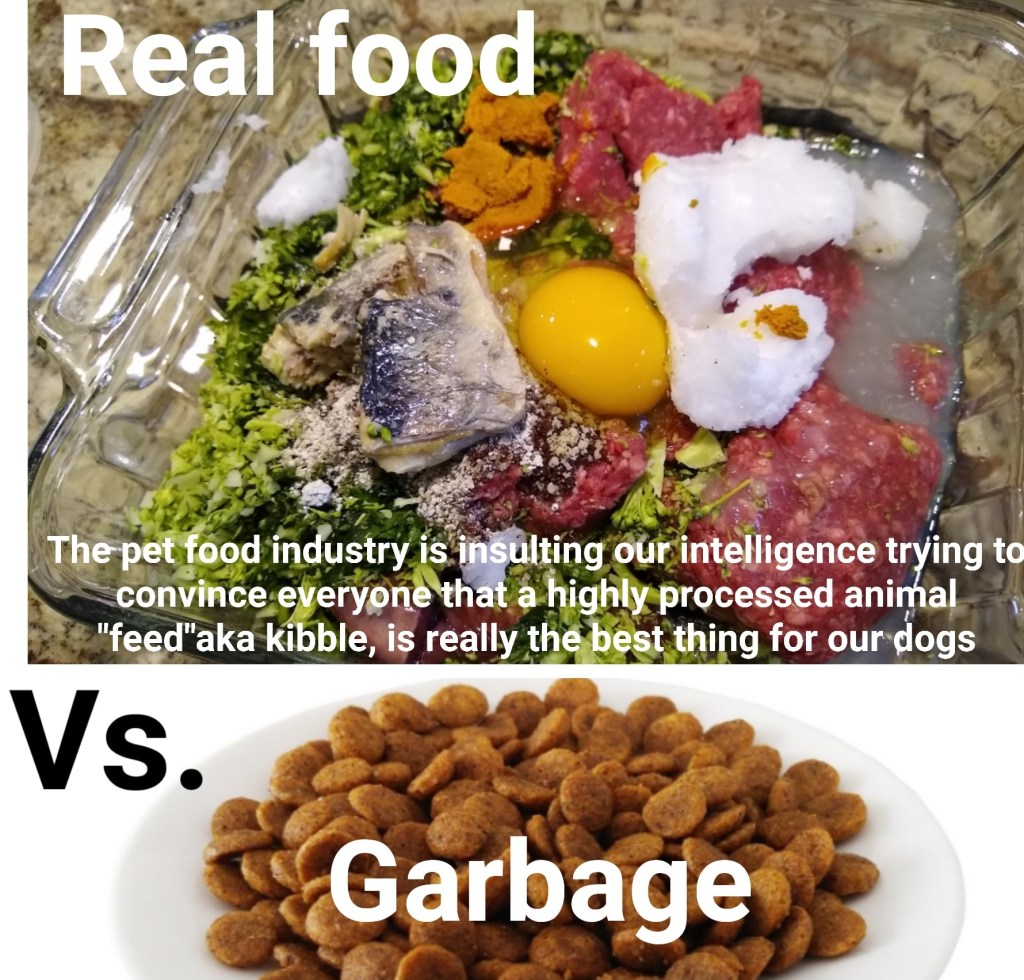
There is a world of difference between a properly formulated home prepared raw ketogenic diet and any commercially available dog foods on the market. They are incomparable. Many commercially available dog foods on the market are hopping on the keto bandwagon and labeling dog foods as “keto” when they are in fact, the furthest thing possible from being exactly that. And then an unsuspecting pet owner gets discouraged when they try these commercially available foods for their dog, they don’t see any results and they throw their hands up in discouragement saying “THESE KETOGENIC DIETS DON’T WORK”. But unfortunately it’s not the diet that maybe didn’t work, but rather the ketogenic ratio that was fed and the ingredients used to make that premade food.
****For More information on the personalized Ketogenic Meal Plan program and how to get your dog **properly **started on these diets, please click on the image below! ***

Custom Meal Plans
 KetoPoweredK9.com