Blue Green algae is deadly to dogs but NOT always visible

8/12/2019


blue-green algae (scientific name: Cyanobacteria)
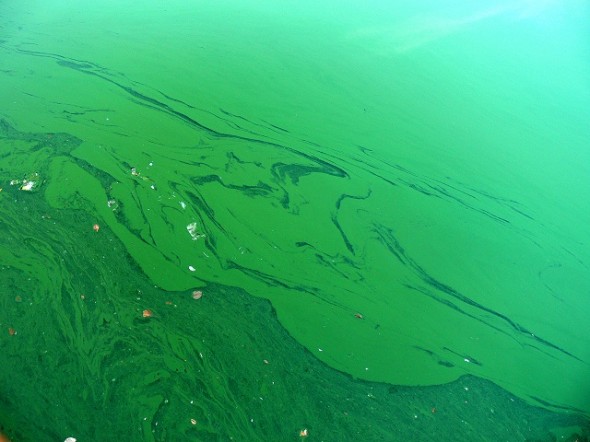
9.12.14-Blue-Green-Algae-Causing-Dog-Deaths1-590x442

The photo above clearly depicts blue green algae , but the deadly bacteria IS NOT always this visible in water

An article spreading like wildfire on social media these last 48hours about a dog that unfortunately died shortly after swimming in lake water suspected of having blue-green algae. The article states “we can only assume was a lake toxin such as blue green algae” so its assumed and not proven. but none the less this dogs fate should not go unnoticed and raise awareness for the deadly threat of Blue-Green algae that may be in your local ponds/lakes etc.

A big misconception seems to be that people THINK blue green-algae is always visible as the thick green pea soup like color and consistency that it looks like on top of the water as most pictures depict it, and then they are quick to judge and insult poor judgment on these heartbroken pet owners by asking “well why would you let your dog swim in that”!

But blue green algae isn’t always visible on the top of the water, so a person may unknowingly be letting their dog be exposed to this deadly toxin. Surly nobody would be exposing their dog to this if they knew, and a lot of dog owners simply do not know this is an issue.

this article below from the Minnesota pollution agency shows you how to in fact try to determine if in fact water may have blue green algae. take note that the algae IS NOT always visible, and tests ARE NOT always accurate to determine if it’s present. “No test for blue-green algae is perfect”- Minnesota pollution control agency Unfortunately blue green algae in water is deadly to our dogs.

British columbia healthlink BC mentions that “not all blooms are easy to see. Toxins can still be in the water even if you cannot see the blooms. ” source
CBC news article on blue green algae

Cyanobacteria (blue green algae) can produce toxins that cause respiratory and liver failure. (Haraz N. Ghanbari/Associated Press)

Untitled
to download article on testing click here

 

2 year Cancer Free milestone for Emie!

July 26th 2019

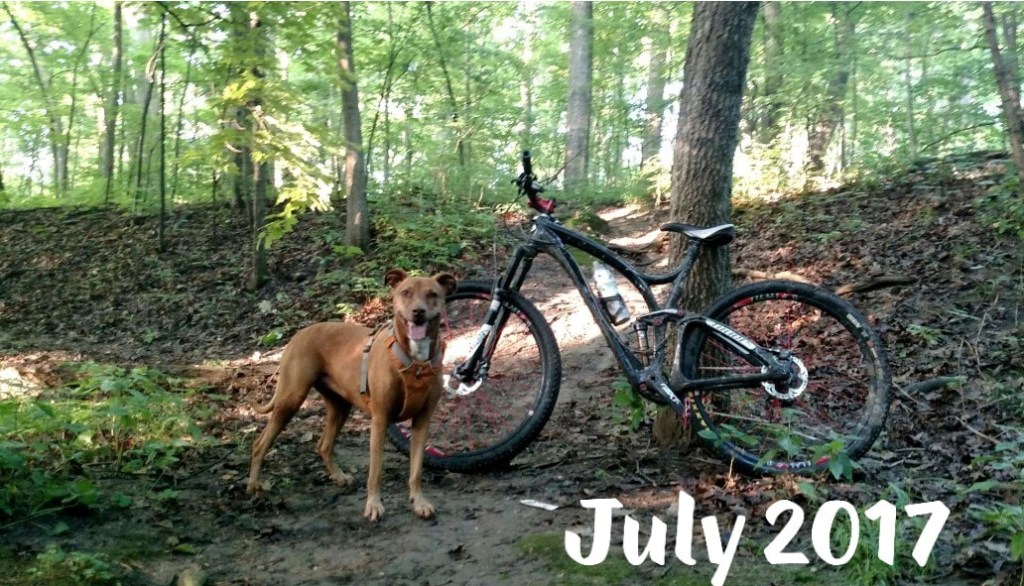
Well, here we are 2 years and 19 days after Emie’s MCT cancer diagnosis. The picture below was taken the day before her surgery in July 17′. I remember that ride in the woods with her like it was yesterday, the uncertainty of what was to come the next day of her surgery….
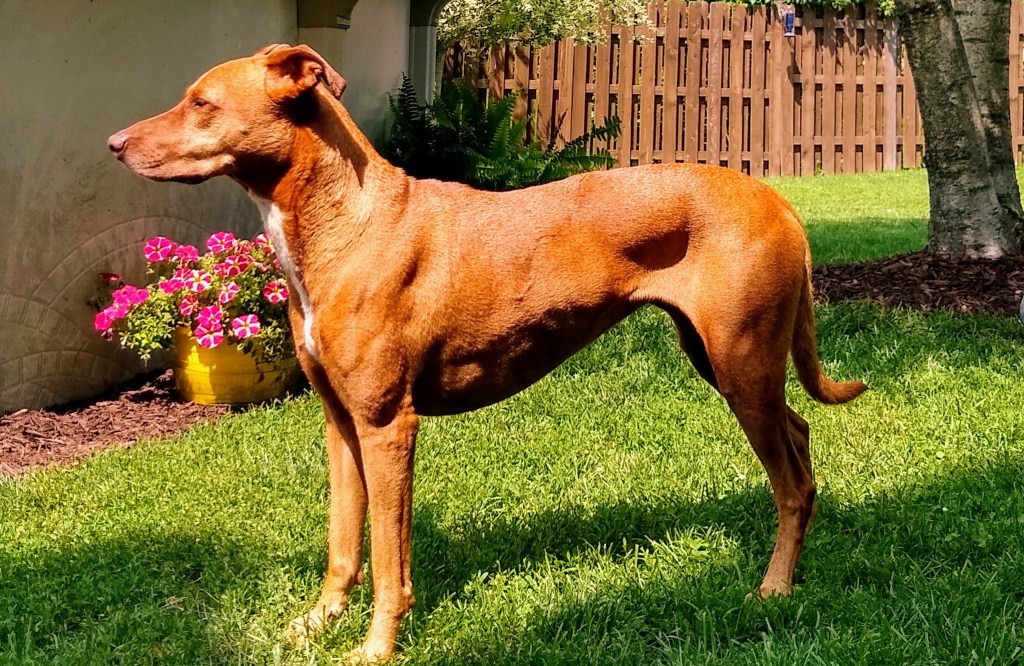
So 2 years later we went back to recreate that same picture at that same spot at our local trail, but this time the only thing missing was her cancer. And 17lbs 😁……
I know we’ve been very fortunate and I also know it’s possible for it to come back at any time, and I don’t take any days for granted. we’ve been extremely strick with keto this ENTIRE time and I intend to keep it that way. There’s plenty of days when it’s late at night and I forgot to meal prep and I dread doing it, putting her needs before mine, putting food in her bowl before mine (I’ve still yet to steal a single pound of her Georgia raised grass fed beef from her freezer 😄) every single thing I’ve gone out of my way for and every single minute spent learning how to help her is worth it for her 🐾♥️

67199915_10217021442082707_7537558675519438848_o67152927_10217021443482742_1565243205450989568_oIMG953500

“dogs can’t digest Vegetables” Myth- BUSTED-

How many times have you read this in other dog groups? “dogs cant digest vegetables because they don’t produce any Amylase in their saliva to break down the vegetables !” Most Raw feeders are pretty adamant on their stance with this mindset.

But is it true?

Dr. Becker explains in the video below that although dogs don’t produce any salivary amylase, they produce pancreatic amylase, so it’s a moot point everyone is trying to make by claiming dogs can’t digest vegetables just because they don’t produce amylase in their saliva. And why are we feeding veggies in our Raw Ketogenic meals? well, a number of reasons. They contain nutrients- vitamins & minerals, they contain fiber, they can help the dog feel “full” when we are feeding calorie restricted in the case of cancer, and as Dr. Ian Billingurst brilliantly points out in the video below from the RFVS conference 2018 (Raw Feeding Veterinary Society), the veggies help the digestive system in a number of ways , and even tho he is talking about a kidney specific raw diet, one would postulate that the same principal he is talking about would also be beneficial for all dogs if it’s helping the kidneys.

Although Dr.Becker does not cite any references in the video below when she claims “they make a ton of amalyse” , studies cited in the National Research Council book of nutritional requirements for Dogs and Cats support the fact that dogs do in fact produce amalyse , and studies published in NCBI ( National Center for Biotechnology Information) also confirm that dogs do produce amalyse from their pancreas.
Some research has also shown that rats fed a high carbohydrate/starch diet actually start to produce more amalyse because their pancreas becomes hypertrophied and actually becomes larger in size due to the increase load of carbohydrates/starch in the diet. When they are returned to a Raw food diet the pancreas reduces back in size. – source
NCBI has also published studies about “drastic increase in copy numbers of the gene coding for pancreatic amylase, AMY2B, that likely allowed dogs to thrive on a relatively starch-rich diet during early dog domestication.” source

Dr. Ian Billinhurt’s explanation on how vegetable matter can be beneficial to a dog/cat


Audio is hard to hear so you have to turn it up! I subtitled what he says here
“for example kidney diet Is high in raw crushed vegetables because of the fiber, the fiber promotes the short chain fatty acids (SCFA) In the large bowel which promotes the health of the large bowel, it brings the blood supply there , it promotes the growth of bacteria , the bacteria need nitrogen to form their own protein, they draw it out of the blood, and this way they help nitrogen to bypass the kidneys , they act like a third kidney and its part of the renal program that we’ve done for years with tremendous success.”

Watch this video below from Dr. Karen Becker dispelling this myth once and for all.

Fermented Vegetables as a probiotic
taken from “The dog Dad”