We’ve seen many dogs respond phenomenally well to the ketogenic diet when formulated to combat seizures. below you can see a few examples of these dogs from our group.
Below is a video of a client’s dog Cooper, as of September 2023 his owner reports 7 months of no seizures and counting. Go Coop!
Cooper is just one example of countless dogs we’ve had great success with mitigating seizures by implementing a properly formulate raw ketogenic diet to address the condition.






This is information from the book the ketogenic bible written by Dr. Jacob Wilson and Dr. Ryan Lowery, which I highly suggest one reads if they truly want to understand more about the inner workings of ketosis. Yes, all of this research is based on humans, but it is also relative to our dogs.
You can purchase the book here on amazon
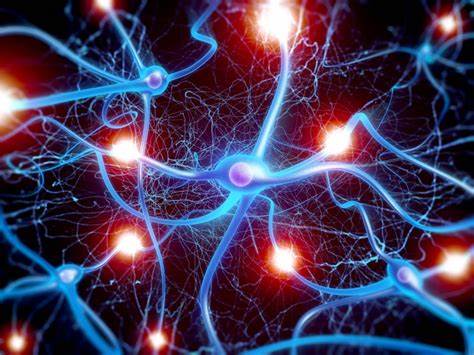
” To understand how ketogenic diets may affect epilepsy, it is important to understand the underlying mechanisms of the disease. Neurons fire by rapidly reversing their polarization from positive to negative and vice versa. Changing from a negative charge to a positive charge on the inside of the cell membrane is called depolarization
imagine it is black Friday and outside your favorite store is a huge line of people waiting to RUSH in the store as soon as the doors open. then, when the store reaches capacity the doors shut to prevent overcrowding.
similarly, depolarization involves opening channels in the neuron to positively charged ions, carrying a positive charge along the length of the neuron- this is how the nerve sends a signal.
At a certain point, the channels close, stopping the flood of positively charged ions and ending the nerve’s signal. BUT in some cases of epilepsy, the channels don’t fully close. (Strafstrom et al., 2007; Powell et al., 2014) the store is packed on black Friday but the doors are never locked, giving people the opportunity to cram in , even when the store reaches maximum capacity. during these epileptic events, the neuron depolarizes more easily than usual, causing abnormal firing and spreading of excitation throughout the brain.
Seizures also can be caused by a general imbalance between excitatory neurotransmitters like glutamate that trigger nerves to fire and inhibitory neurotransmitter’s like GABA that stop nerves from firing (Powell et al., ) Standard drug treatments for epilepsy act on the ion channels, blocking more ions from entering the neuron and thereby preventing the nerve from firing, or balancing the neurotransmitters (Powell et al., 2014)
The ketogenic diet targets multiple mechanisms that may be the cause of impaired neuronal firing (Yudkoff et al., 2007) Data shows that the ketone bodies acetoacetate (AcAc) and acetone have anticonvulsant effects. AcAc has been shown to impair the release of glutamate in neurons (Judge et al ., 2010) . Too much glutamate is associated with neurological disorders. It has also been suggested that ketone bodies may increase the synthesis of GABA. The net result would be a decrease in the probability of an unpredictable excitatory event, such as a seizure, occurring in the future (Yudkoff et al., 2007) Additionally, research indicates that ketone bodies may activate potassium (K+) channels (Bough et al., 2007) K+ has a positive charge that leaks out of the neuron, thereby reducing the positive charge inside the cell causing it to be hyper polarized. The result is increased difficulty in depolarizing the neurons and therefore a decreased likelihood of seizure (Bough et al., 2007)
In addition to the general benefits of ketones, a ketogenic diet may have anticonvulsant effects because it lowers blood glucose* (see my thought below).
It is thought that a neurons capacity to trigger activity is highly dependent on glucose, so a general restriction of glucose may limit a neuron’s ability to reach and maintain the high levels of synaptic* activity necessary for seizures to occur (Bough et al., 2007, Greene et al.,2003)
*synaptic: relating to a synapse or synapses between nerve cells.
Here are some highlights of how we think the keto diet affects seizures: (cited from Metabolic health summit)
🟣With a lower blood glucose level, the brain relies on ketone bodies for energy. This type of metabolism slows down energy availability, reducing seizures.
🟣Ketosis suppresses reactive oxygen species production and enhances antioxidant defenses, which may elicit an anticonvulsant effect.
🟣Ketone bodies in the brain aid in GABA synthesis and release, which produces a calming effect.
🟣The ketogenic diet alters the abundance of bacteria in the gut to favoring bacteria that modulate GABA activity in the brain through the gut-brain axis.
🟣The ketogenic diet reduces inflammatory markers in the bloodstream through a variety of mechanisms, allowing for a more stable and less excitable state which is associated with a reduction in seizure occurrence.
Glut 1 Deficiency Disorder/Syndrome
Glucose transporters Type 1 deficiency syndrome is a (rare) genetic brain disorder that again involves impaired brain energy metabolism. In this case, the main transporter that takes glucose into the brain, Glut1, isn’t functioning properly. Some reports indicate that in a resting state, the adult brain utilizes 25% of what the body as a whole uses. in infants and children, that number can rise to 80% (Kiepper, 2008) . Since the brain relies heavily on glucose for energy, when the transporters being used to move glucose into the brain aren’t functioning as they should, brain energy metabolism and overall health and function are seriously compromised. The majority of individuals with Glut1 deficiency display early onset seizures. developmental delays, and a complex movement disorder.
The ketogenic diet is by far the most recommended treatment for Glut1 deficiency because it provides an alternative source of fuel for the brain. ketones. However, one thing to keep in mind is that syndrome is often misdiagnosed as epilepsy. Proper diagnosis and strategic implementation is key in order to provide patients with the best of care (Lee and Hur , 2016)
Dr.Dominic D’Agostino on keto and epilepsy:
My interview with Dr. Karen Becker where we discuss the Ketogenic Diet for Epilepsy- a diet that we’ve both seen phenomenal results with!
My personal thoughts on this: In our own ketogenic dog group, we know through countless testing of glucose levels in dogs fed kibble vs. a raw ketogenic diet, that we can EASILY reduce the glucose levels by up to 50-60-sometimes 70+% by feeding a raw keto diet! a dog on a standard kibble diet we can expect glucose levels to be well over 100mg/dl – 120 mg/dl. Through my own personal experience feeding my dog a Balanced Raw Ketogenic diet, I saw glucose levels as low as 30mg/dl. That’s FOUR TIMES lower than a dog on a high carb kibble diet
And even if a dog IS already raw fed, we have to remember that a standard raw diet is not at all the same as a high fat ketogenic diet. They are simply not comparable. It’s like comparing apples and oranges. I’ve worked with many dogs suffering from seizures that we already being fed a raw diet but it wasn’t until a properly formulated Raw Ketogenic diet was implemented that we then saw the seizures start to get under control
We know through the ketogenic dog group, that many dogs have gone on to reduce the frequency of their seizures by implementing a raw ketogenic diet. This group will never make claims to “cure”. But if we can MANAGE the seizures so the dog can have a better quality of life simply by changing the diet, we have a win win situation! and interestingly, ketogenic diets can work in cases when standard AED (anti-epileptic drugs) don’t. This phenomenon can occur in both humans and dogs.
And I personally know that a ketogenic diet can help with Glut1 deficiency, as a close friend of mine has a daughter with the disease. And the only way to treat and manage her seizures is with a Ketogenic diet. There is no medical treatment to help this disorder. The ketogenic diet is the only way to help. A ketogenic diet is the only thing that allows her to have the quality of life that she does living with her disease.
We also know through the countless blood testing that myself and fellow KDG (Ketogenic Dog Group) members have done on their own dogs, that a dog on a high carb kibble diet will not be producing any ketones vs. a dog on a Raw ketogenic diet we do see measurable amounts of ketones in their blood and this is validated through real time testing that we do with glucose/ketone meters taking readings from their blood.
Can a ketogenic diet stop seizures? This group has seen some great results with it! It’s not a guarantee and you won’t know unless you try it for your dog and you literally have nothing to lose by trying. All we are doing is altering the macronutrient profile/arrangement of their food. we are eliminating carbohydrates, increasing fat and limiting protein intake. This is not magic voodoo or “snakeoil”, this has been proven over and over in the human realm backed by some of the leading Doctors and Scientists in the nation, and this is something that any pet owner can try and see if it helps their dog. Results may not be immediate, but they have been for some dogs and sadly for some dogs it has not shown any improvements. But I can’t stress enough that no matter what you are trying to feed a ketogenic diet for, it HAS TO BE DONE RIGHT and there is a difference on what ketogenic diet we might feed depending on what we are feeding it for. I’ve consulted with pet owners in the past who tell me “ a ketogenic diet did nothing for my dog with seizures” and then once we discuss further, we find out that they were only feeding a 1:1 ketogenic ratio diet, or they had no idea what ketogenic ratio was being fed. And once we get the dog on a proper ratio tailored for their dogs disease, then we start to see some results. So not all ketogenic diets are the same ! There should be no guesswork in this process. The diet has to be formulated 100% properly or it never stands the chance as being as effective as it potentially could.
There are many dog food companies that have jumped on the keto bandwagon so to speak, but they do not offer what a properly balanced home prepared Raw Ketogenic diet can offer. These keto “kibbles” can’t be relied on, as they are just exploiting the keto name and all they really are is a lower carb version of kibble and they’re made with all the same terrible ingredients we never want to be feeding our dog. The very few raw or dehydrated keto pet foods on the market are only a lower fat 1:1 , which are typically not an effective ratio for seizures. And there are some other base mix foods that advertise as keto that you willy Nilly add a few ounces of protein, add some fat and voila! they make it sound like now you’re on your path to feeding keto. But in reality it’s not that simple. And these are all examples of how an unsuspecting pet owner may be using one of these advertised pet food companies version of “keto” and then get discouraged because they are not seeing any results in their dog, all the while not having any idea where the meal comes in calorically or what the ketogenic ratio is. There is a tremendous difference when the diet is tailored to the dog in need, and the diet is home prepared to meet exacting nutrient guidelines of a custom formulated Raw Ketogenic Meal plan.
And it’s also important to point out, if one is trying to implement a ketogenic diet to combat any disease, then one should be testing blood glucose and ketone levels. Because without knowing what those readings are then we have no idea what may need to be tweaked in the ketogenic diet in order for the dog to enter into ketosis. Just because we are feeding a ketogenic diet doesn’t guarantee ketosis. There are many variables that could hinder a dog getting into ketosis and without testing the blood we would never know exactly what’s going on. Does this mean that if one isn’t willing to test their dogs blood with a glucose meter that all is lost and we shouldn’t feed a keto diet? well, no. but as I’ve pointed out, testing is the only way to validate whether or not the dog is in ketosis. And it’s also important to point out, if one is trying to implement a ketogenic diet to combat any disease, then one should be testing blood glucose and ketone levels. Because without knowing what those readings are then we have no idea what may need to be tweaked in the ketogenic diet in order for the dog to enter into ketosis. Just because we are feeding a ketogenic diet doesn’t guarantee ketosis. There are many variables that could hinder a dog getting into ketosis and without testing the blood we would never know exactly what’s going on. Does this mean that if one isn’t willing to test their dogs blood with a glucose meter that all is lost and we shouldn’t feed a keto diet? well, no. but as I’ve pointed out, testing is the only way to validate whether or not the dog is in ketosis. Many dogs with epilepsy in this group have found relief from Raw Ketogenic diets. Their stories can be read HERE and HERE and you can also see some featured in the slideshow at the bottom of this page.








Get your dog started on Keto Today!
click here for details
And as always, for help with a properly balanced Raw Ketogenic Diets for your Canine you can check out my websitehere





















 KetoPoweredK9.com